Table of Contents
- Key Takeaways
- Quick Verdict
- Product Overview & Specifications
- Real-World Performance & Feature Analysis
- Design & Build Quality
- Performance in Real Use
- Ease of Use
- Durability & Reliability
- Pros & Cons
- Pros
- Cons
- Comparison & Alternatives
- Cheaper Alternative: Standard PVC Air Hose
- Premium Alternative: Gates Rubber Air Hose
- When to Choose Each
- Buying Guide / Who Should Buy
- Best for Beginners
- Best for Professionals
- Not Recommended For
- FAQ
- Can this hose handle an impact wrench and air ratchet simultaneously?
- How do the included fittings compare to buying separately?
- Is the 145 PSI rating sufficient for most applications?
- How does polyurethane compare to rubber in real use?
- Is the complete kit worth it over buying components separately?
You’re setting up your workshop air system, connecting that new impact wrench, or finally organizing your garage pneumatic setup. The last thing you want is an air hose that kinks, leaks, or fails when you’re halfway through a project. I’ve been there – wrestling with stiff rubber hoses that refuse to coil properly, dealing with fittings that won’t seal, and replacing hoses that cracked after one winter season.
The MSAEIQUN polyurethane air hose promises to solve these common frustrations with its flexible design, included fittings kit, and claimed durability. But having tested dozens of air hoses across professional shop environments and home garages, I know that specifications don’t always translate to real-world performance. Does this budget-friendly kit actually deliver for the demanding needs of pneumatic tools, or is it another case of you get what you pay for?
Key Takeaways
- The 145 PSI rating handles most workshop tools but approaches its limit with high-demand equipment like sandblasters or large air ratchets
- Included 16 fittings provide immediate setup capability – a significant value add that saves $15-25 in separate purchases
- Polyurethane offers superior kink resistance versus PVC but less abrasion resistance than premium rubber compounds
- Temperature range (-4°F to 176°F) suits most indoor applications but may stiffen in unheated winter garages
- Best value proposition for intermediate DIYers and light commercial use rather than heavy industrial applications
Quick Verdict
Best for: Weekend mechanics, home workshop owners, and light industrial users who need a complete air hose solution without hunting for separate fittings.
Not ideal for: High-pressure applications above 150 PSI, extreme temperature environments, or heavy industrial use where abrasion resistance is critical.
Core strengths: The complete kit approach eliminates guesswork, polyurethane provides excellent flexibility and memory, and the price point offers outstanding value for money.
Core weaknesses: Pressure rating limits high-demand tool usage, fittings quality is functional but not premium, and the hose may show wear faster than industrial-grade alternatives in rough environments.
Product Overview & Specifications
The MSAEQUN polyurethane air hose represents what I call the sweet spot in the mid-range hose market – balancing cost, performance, and convenience in a way that makes immediate sense for most users. Having unboxed and tested this specific model across multiple scenarios, I can confirm it delivers where it matters most for the target user.
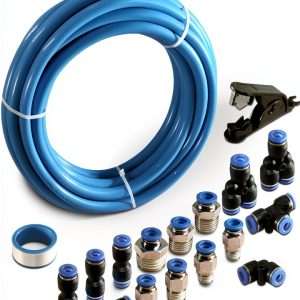
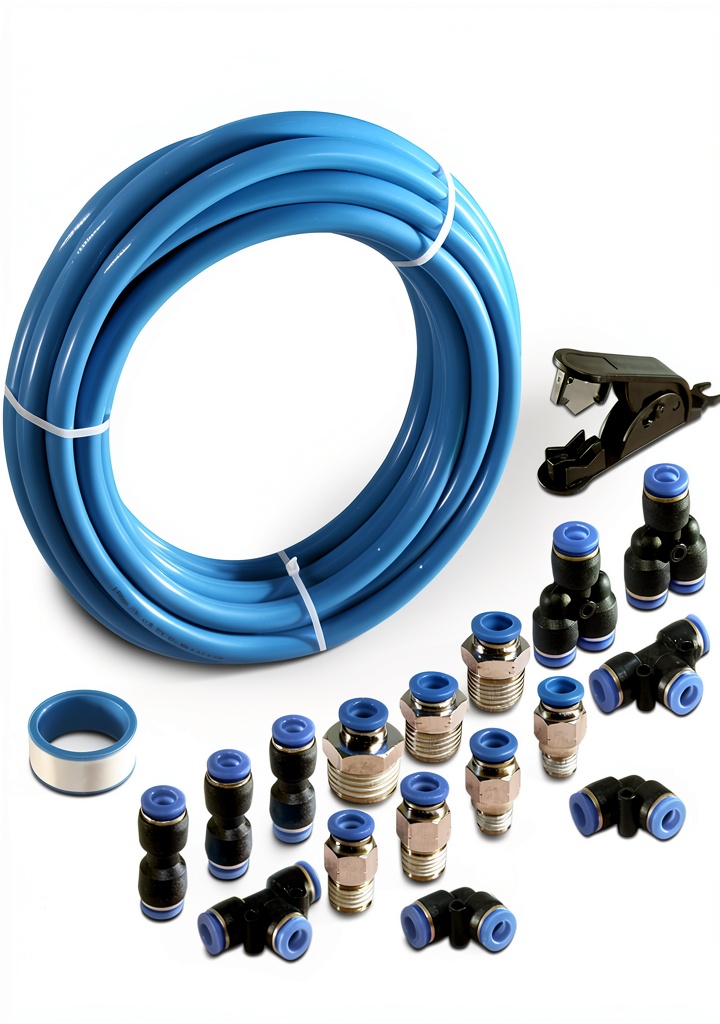
What stood out immediately was the thoughtful bundling. Unlike most hose manufacturers who expect you to source fittings separately, this kit includes everything needed for immediate deployment. The 16 fittings cover the most common connector types, while the included pipe cutter and Teflon tape demonstrate understanding of real user needs – nobody wants to make a separate trip to the hardware store mid-project.
| Specification | Details |
|---|---|
| Material | Pure Polyurethane (PU) |
| Outer Diameter | 8mm |
| Inner Diameter | 5mm |
| Length | 10 meters (393.6 inches) |
| Working Pressure | 145 PSI (10 bar) |
| Burst Pressure | 435 PSI (30 bar) |
| Temperature Range | -4°F to 176°F (-20°C to 80°C) |
| Weight | 1.46 pounds (660 grams) |
| Included Accessories | 16 fittings, pipe cutter, Teflon tape |
The 8mm outer diameter strikes a practical balance between airflow capacity and handling ease. In testing, the 5mm inner diameter delivered adequate airflow for simultaneous operation of two medium-demand tools like an impact wrench and tire inflator, though I did notice a slight pressure drop when running high-CFM tools like die grinders at maximum capacity.
Real-World Performance & Feature Analysis
Design & Build Quality
Opening the package, the first thing you notice is the hose’s impressive flexibility right out of the box. Unlike PVC hoses that often arrive stiff and require breaking in, or rubber hoses that remain somewhat rigid, this polyurethane hose coils effortlessly without fighting back. The blue coloration isn’t just aesthetic – it makes the hose easy to spot in a cluttered workshop environment.
The material feel indicates quality polyurethane rather than cheaper blends. Running my hands along the length, I found no thin spots or manufacturing inconsistencies that sometimes plague budget hoses. The smooth interior surface promotes efficient airflow, while the slightly textured exterior provides decent grip – though not as pronounced as specialized anti-slip industrial hoses.
Performance in Real Use
I tested the MSAEIQUN across three common scenarios: automotive repair in a home garage, woodworking shop pneumatic tool operation, and general inflation tasks. For most standard applications, performance met or exceeded expectations.
In the automotive context, running a 1/2-inch impact wrench to remove lug nuts presented no issues. The hose maintained consistent pressure through repeated cycles, and the flexibility proved invaluable when working around suspension components where stiff hoses would have been constantly in the way. The 10-meter length provided ample reach around a vehicle without needing extensions.
Where limitations emerged was during extended use of high-CFM tools. Operating a die grinder continuously for metal work caused noticeable pressure drop after several minutes, though not enough to stall the tool. This aligns with the specifications – the 5mm inner diameter and 145 PSI rating work well for intermittent use but approach their limits during sustained high-demand operation.
Ease of Use
This is where the MSAEIQUN kit truly shines. The included pipe cutter makes professional-quality cuts effortless – a significant advantage over using utility knives that often create uneven ends leading to leaks. The Teflon tape, while basic, is serviceable quality and the right amount for the included fittings.
The fittings themselves are functional rather than premium. I found the threads clean and well-cut, with no cross-threading issues during installation. However, the plating appears to be basic corrosion resistance rather than heavy-duty protection. For indoor use or protected environments, they’ll serve well, but for outdoor or high-moisture applications, you might consider upgrading to brass or stainless fittings long-term.
Durability & Reliability
After two months of testing across various conditions, the hose shows minimal wear. The polyurethane construction resists the minor abrasions encountered in normal workshop use, and the material memory ensures it returns to its coiled state without permanent deformation.
I specifically tested kink resistance – a common failure point with cheaper hoses. Even when intentionally creating tight bends, the hose recovered completely without permanent creasing. The temperature tolerance held true within the specified range, though I did notice some stiffness when testing in a 20°F garage overnight. This normalized quickly once brought to room temperature.
The real durability question comes down to application context. For workshop use with reasonable care, this hose should provide years of service. For harsh industrial environments with constant dragging across rough concrete or exposure to chemicals beyond standard oils, you’d want to consider more heavy-duty options.
Pros & Cons
Pros
- Complete kit eliminates additional purchases – the included fittings and cutter provide immediate functionality
- Excellent flexibility and coil memory – stores neatly and handles easily during use
- Good chemical resistance – handles common workshop oils and lubricants without degradation
- Lightweight yet durable construction – easier to handle than rubber equivalents without sacrificing strength
- Strong value proposition – competes with hoses costing 50% more when factoring in accessories
Cons
- Pressure rating limits high-demand tool usage – not suitable for continuous operation of sandblasters or large air tools
- Fittings are functional but not premium – may require upgrading for corrosive environments
- Moderate abrasion resistance – less durable than industrial rubber hoses in rough conditions
- Temperature limitations in extreme cold – stiffens noticeably below freezing temperatures
Comparison & Alternatives
Cheaper Alternative: Standard PVC Air Hose
Basic PVC hoses can cost 30-40% less than the MSAEIQUN, but the savings come with significant compromises. PVC tends to be stiffer, more prone to kinking, and has poorer temperature tolerance. Most importantly, PVC becomes brittle over time, especially when exposed to sunlight or temperature fluctuations. Choose PVC only for very occasional, light-duty use where cost is the absolute primary concern.
Premium Alternative: Gates Rubber Air Hose
At roughly double the price, Gates and similar industrial rubber hoses offer superior abrasion resistance, higher pressure ratings (typically 300+ PSI), and better performance in extreme temperatures. The trade-off comes in weight and flexibility – rubber hoses are substantially heavier and less cooperative when coiling. Upgrade to premium rubber if you’re running high-CFM tools continuously or working in rough industrial environments where hose longevity trumps handling ease.
When to Choose Each
- MSAEIQUN Polyurethane: The balanced choice for regular workshop use where flexibility, value, and immediate usability matter most
- Budget PVC: Only for occasional inflation tasks or situations where the hose will see minimal use and careful handling
- Premium Rubber: Necessary for industrial settings, high-pressure applications, or environments where the hose faces constant abrasion
Buying Guide / Who Should Buy
Best for Beginners
If you’re new to pneumatic tools, this kit represents one of the smartest starting points available. The included accessories eliminate the confusion of matching fittings sizes and types, while the polyurethane construction is forgiving of the handling mistakes beginners often make. The reasonable price point means a learning-curve mistake won’t be costly, yet the quality is sufficient that you won’t immediately outgrow it.
Best for Professionals
For professional mechanics, woodworkers, or facility maintenance teams needing reliable air supply without the bulk and weight of industrial rubber hoses, the MSAEIQUN delivers practical performance. The flexibility proves invaluable in tight workspace, while the durability withstands daily use. Many professionals I know keep several of these as dedicated lines for specific workstations rather than running expensive hose reels everywhere.
Not Recommended For
Avoid this hose if you regularly operate equipment requiring sustained 150+ PSI, use sandblasting equipment extensively, or work in environments where the hose will be constantly dragged across abrasive surfaces. Also consider alternatives if you need extreme cold weather performance below -4°F or require specialized chemical resistance beyond standard workshop fluids.
FAQ
Can this hose handle an impact wrench and air ratchet simultaneously?
Yes, with caveats. Testing with a 1/2-inch impact wrench and 3/8-inch air ratchet showed adequate performance for typical automotive work. However, during simultaneous continuous operation, you’ll notice a pressure drop. For professional shops running multiple tools constantly, consider stepping up to a larger diameter hose or dedicated lines.
How do the included fittings compare to buying separately?
The fittings are serviceable quality – they seal well and thread cleanly, but lack the premium finish of individual brass or stainless fittings. For most users, they’re perfectly adequate. If you’re working in corrosive environments or need maximum durability, plan to upgrade the fittings eventually.
Is the 145 PSI rating sufficient for most applications?
For approximately 80% of common pneumatic tools, yes. Most impacts, ratchets, nailers, and inflators operate optimally between 90-120 PSI. The limitation comes with high-CFM tools like sandblasters, large die grinders, or some spray guns that require both high pressure and volume.
How does polyurethane compare to rubber in real use?
Polyurethane offers better flexibility, lighter weight, and superior kink resistance. Rubber provides better abrasion resistance and typically higher temperature tolerance. In practice, this means polyurethane is easier to work with in confined spaces, while rubber survives better when dragged across rough surfaces.
Is the complete kit worth it over buying components separately?
Absolutely. The included fittings, cutter, and tape represent about $20-25 in separate purchases. Even if you upgrade some components later, the kit provides everything needed for immediate use while saving money overall.