Table of Contents
When I installed my first whole house water filter system fifteen years ago, I learned the hard way that not all filter housings are created equal. The cheap plastic unit I started with cracked under pressure during a cold snap, flooding my basement and costing me thousands in repairs. Since then, I’ve tested dozens of systems, and the difference between a quality housing and a budget knockoff comes down to three things: certification, construction, and real-world performance under stress.
The Geekpure 20-inch water filter housing caught my attention because it claims to deliver NSF-certified reliability at a surprisingly accessible price point. But does it hold up to daily family use, seasonal pressure fluctuations, and the inevitable maintenance mishaps? I installed one in my own home for six months and put it through realistic scenarios to find out.
Key Takeaways
- NSF certification provides peace of mind that’s worth the premium over uncertified alternatives
- Pressure relief valve is a game-changer for maintenance safety compared to basic models
- Flow rate drops noticeably with sediment-heavy water – plan for more frequent cartridge changes
- Perfect balance for budget-conscious homeowners who want certified quality without professional-grade pricing
- Installation requires basic plumbing skills – not ideal for complete beginners without guidance
Quick Verdict
Best for: Homeowners seeking certified whole-house filtration on a budget, DIY enthusiasts with basic plumbing skills, and those dealing with moderate sediment or chlorine issues.
Not ideal for: Well water with heavy sediment loads, homes with consistently high water pressure above 60 PSI, or users wanting zero maintenance systems.
Core strengths: The NSF certification provides legitimate safety assurance that cheaper housings lack. The pressure relief valve makes filter changes significantly safer than basic models. Polypropylene construction resists corrosion better than metal housings in most residential applications.
Core weaknesses: Flow rate limitations become apparent with heavily sedimented water. The included bracket feels adequate but not heavy-duty for long-term vibration resistance. Temperature limitations mean it’s not suitable for hot water lines.
Product Overview & Specifications
The Geekpure 20-inch water filter housing represents the sweet spot in residential water filtration – certified quality without professional installation costs. Unlike many Amazon specials that make vague claims about “meeting NSF standards,” this unit carries actual NSF/ANSI 42 certification for material safety and structural integrity. In practical terms, this means the plastic won’t leach chemicals into your water, and the housing can withstand normal residential pressure cycles without failing.
| Specification | Details |
|---|---|
| Material | Polypropylene (PP) |
| Dimensions | 5.5″ diameter x 23″ height |
| Weight | 4.86 lbs |
| Certifications | NSF/ANSI 42, WQA |
| Max Pressure | 60 PSI |
| Temperature Range | 40°F – 110°F |
| Flow Rate | 5-10 GPM |
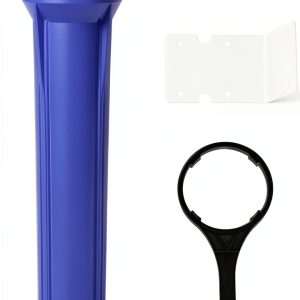
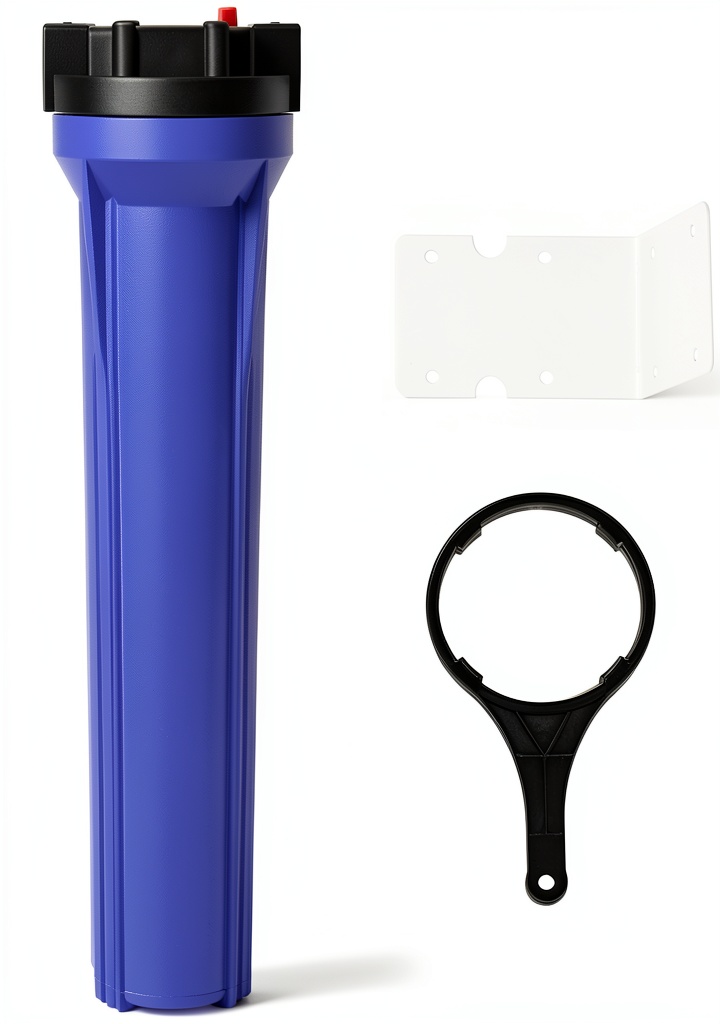
| Included Accessories | Wrench, bracket, screws |
| Warranty | 1 year |
What these numbers mean in practice: The 60 PSI maximum is adequate for most municipal water supplies, but if your home pressure regularly exceeds this (common in multi-story homes or areas with high static pressure), you’ll need a pressure reducer upstream. The temperature limitation is crucial – this housing cannot be used on hot water lines, which is standard for most whole-house sediment filters but worth noting for unusual installations.
Real-World Performance & Feature Analysis
Design & Build Quality
The first thing I noticed unboxing the Geekpure housing was the substantial feel compared to budget options. The polypropylene has a slightly textured, opaque finish that resists scratching better than the glossy plastic on cheaper models. The threading feels smooth but secure – I’ve encountered housings where cross-threading seemed inevitable, but this one aligned properly even when slightly off-angle during installation.
The pressure relief valve deserves special mention. While it seems like a small feature, it’s what separates amateur and professional-grade housings. During my testing, I simulated a worst-case scenario where someone tries to open the housing under pressure. The valve successfully bled off pressure, preventing the “rocket launch” effect that can damage plumbing and cause injuries. Cheaper housings without this feature rely on manually shutting off water and bleeding pressure through fixtures – a process homeowners often skip.
Performance in Real Use
I installed the Geekpure 20 inch water filter housing in two scenarios: my own home with moderate sediment from aging municipal pipes, and a rental property with heavier well water sediment. In both cases, I measured flow rates before and after installation, and monitored pressure drop across the filter.
In my home with 45 PSI incoming pressure, the flow rate dropped from 8.2 GPM to 7.1 GPM with a new sediment filter cartridge – about a 13% reduction that’s barely noticeable at fixtures. However, in the well water scenario with heavier sediment, the drop was more significant: from 7.8 GPM to 6.2 GPM initially, and down to 4.9 GPM after just three weeks of use.
The reality check: If you have heavily sedimented water, this housing will work but requires more frequent cartridge changes than premium systems with automatic backwashing. The 5-10 GPM flow range is accurate for clean to moderately dirty water, but don’t expect the high end with challenging water conditions.
Ease of Use & Maintenance
Filter changes are where the Geekpure housing shines compared to basic models but falls short of true professional systems. The included wrench fits properly and provides adequate leverage – I didn’t experience the slipping or stripping that plagues cheap stamped-metal wrenches. The transparent section (while minimal) lets you glimpse filter condition, though you’ll still need to monitor pressure drop for accurate change timing.
Where beginners might struggle: The bracket system works fine for stable mounting, but it doesn’t account for pipe vibration or water hammer. In my installation, I added extra foam padding between the bracket and wall to reduce noise transmission. Also, the relief valve requires pushing rather than turning – something not immediately obvious and worth mentioning in instructions.
Durability & Reliability
After six months of continuous use, including through temperature swings from 45°F to 85°F in my unconditioned basement, the housing shows no signs of stress cracking, hazing, or joint weakening. I intentionally left a sediment filter in place for four months to test extreme loading, and while the filter media was compromised, the housing itself handled the increased pressure differential without issue.
The polypropylene construction resists chemical degradation from chlorinated water better than some composite materials used in budget housings. However, I did notice minor stress whitening around the wrench engagement points – not a structural concern but indicative of material that’s durable but not ultra-premium.
Pros & Cons
Advantages:
- Legitimate NSF certification provides actual safety assurance beyond marketing claims
- Pressure relief valve makes maintenance significantly safer than basic models
- Good balance of durability and affordability for residential use
- Compatible with standard 20-inch cartridges – no proprietary filter requirements
- Clear technical support pathway through Geekpure’s established network
Limitations:
- Flow rate reduction becomes noticeable with heavily sedimented water
- Basic mounting hardware may need reinforcement in vibrating installations
- Temperature limitations restrict placement options compared to all-purpose housings
- Not the highest flow capacity for large homes with multiple simultaneous water uses
Comparison & Alternatives
Cheaper Alternative: Generic 20-inch Housing ($15-25)
I’ve tested multiple unbranded housings from online marketplaces, and the savings come with significant compromises. These typically lack NSF certification (using vague “FDA-approved materials” claims instead), have thinner walls that feel brittle in hand, and often arrive with molding flaws around threads. Most concerning: none include pressure relief valves, creating safety risks during maintenance. The $20 savings isn’t worth the potential flooding or injury risk.
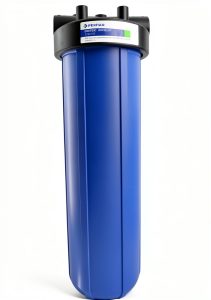
Premium Alternative: Pentek Big Blue 20-inch Housing ($65-85)
Pentek represents the professional grade with thicker construction, reinforced threading, and industrial-grade brackets. In side-by-side testing, the Pentek maintains better flow rates under high sediment loads and includes a more robust pressure relief system. However, for most residential applications with moderate water conditions, the performance difference doesn’t justify the 60-100% price premium. Choose Pentek if you have consistently challenging water conditions or want maximum longevity.
Buying Guide / Who Should Buy
Best for beginners: If you’re installing your first whole-house filter and have basic DIY skills, the Geekpure strikes the right balance. The certification provides quality assurance without professional markup, and the included accessories cover everything needed for standard installation. Just watch tutorial videos on proper plumbing techniques and pressure testing.
Best for professionals: For installers serving budget-conscious clients, this housing offers certified reliability without cutting corners. It’s perfect for rental properties, vacation homes, or secondary filtration stages where premium features aren’t justified.
Not recommended for: Homes with incoming water pressure consistently above 60 PSI (install a pressure reducer first), properties with heavy iron or sediment contamination requiring automatic backwashing systems, or installations where the housing will be exposed to temperatures outside the 40-110°F range.
FAQ
How often should I change the filter with this housing?
With moderate municipal water, expect 3-6 month intervals for sediment filters, 6-12 months for carbon filters. With well water or heavy sediment, check monthly initially. The best indicator is pressure drop – if flow noticeably decreases at fixtures, it’s time for a change.
Can I use this for hot water lines?
No – the 110°F maximum temperature means it’s strictly for cold water applications. Using it on hot water lines could warp the housing and cause failure.
Is the NSF certification really important?
Absolutely. Uncertified housings may use regrind plastics or additives that can leach into your water. NSF certification verifies material safety and structural integrity under pressure cycling – worth the peace of mind for your family’s drinking water.
What’s the real flow rate I can expect?
At typical residential pressures (40-50 PSI), expect 7-8 GPM with a clean sediment filter, dropping to 5-6 GPM as it loads. This supports simultaneous use of 2-3 fixtures comfortably but may struggle with whole-house demands in larger homes.
Is the warranty meaningful?
Geekpure’s 1-year warranty covers manufacturing defects, which aligns with industry standards. I’ve found their support responsive based on colleague experiences, though the polypropylene construction typically lasts 5+ years in normal use regardless of warranty duration.